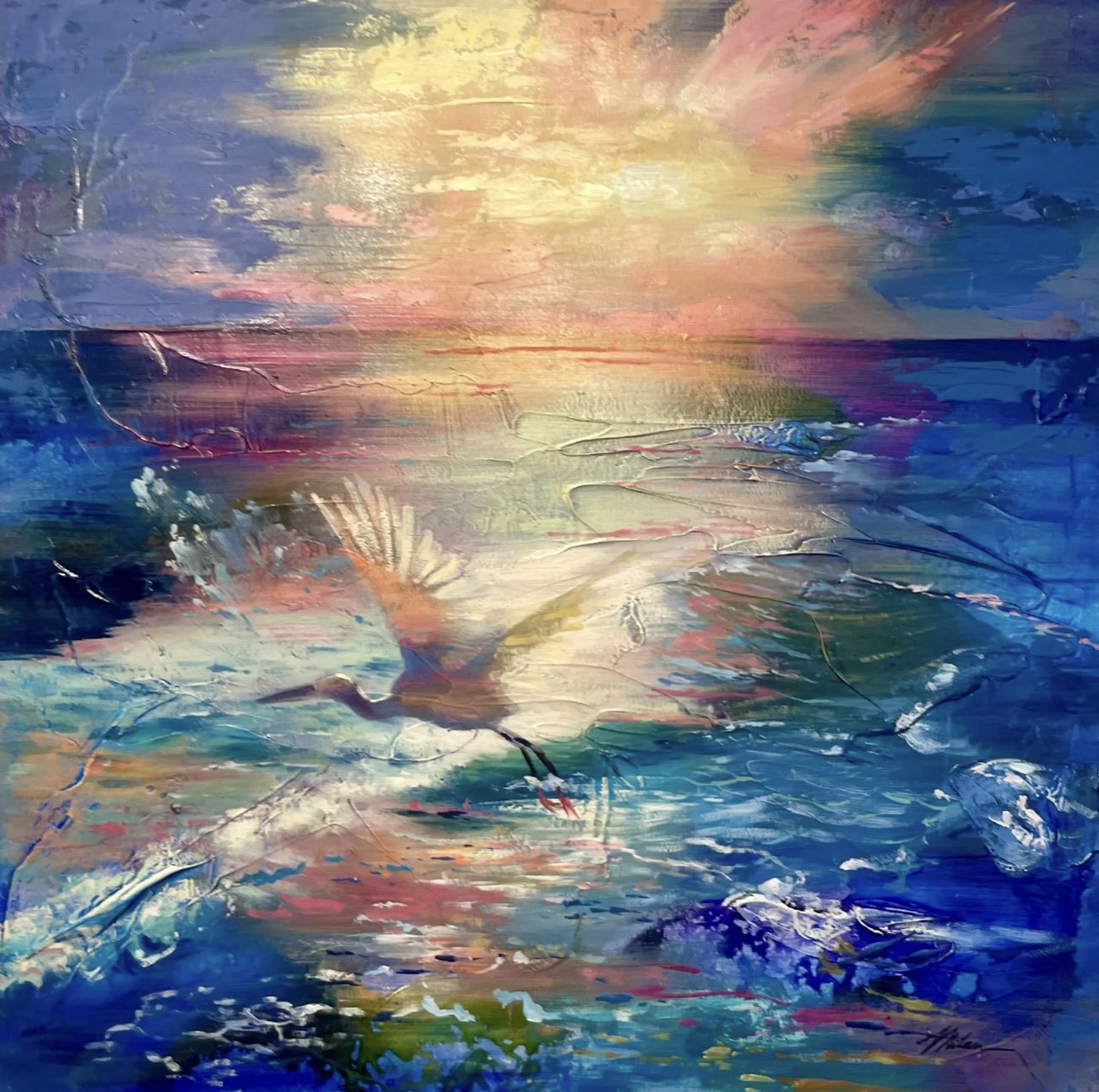
Lit From Within

Paint a landscape that glows from inside

Old paintings glow because light goes through the color and comes back out. Learn the layers that do it, and put a story in yours.

March 12 to 14, 2027 / Milan Art Studio, Sarasota, Florida

Mar 12 to 14, 2027Dates
In Person, 3 DaysFormat
15 ArtistsClass Size
$1,500Tuition

See why Van Eyck's colors still glow

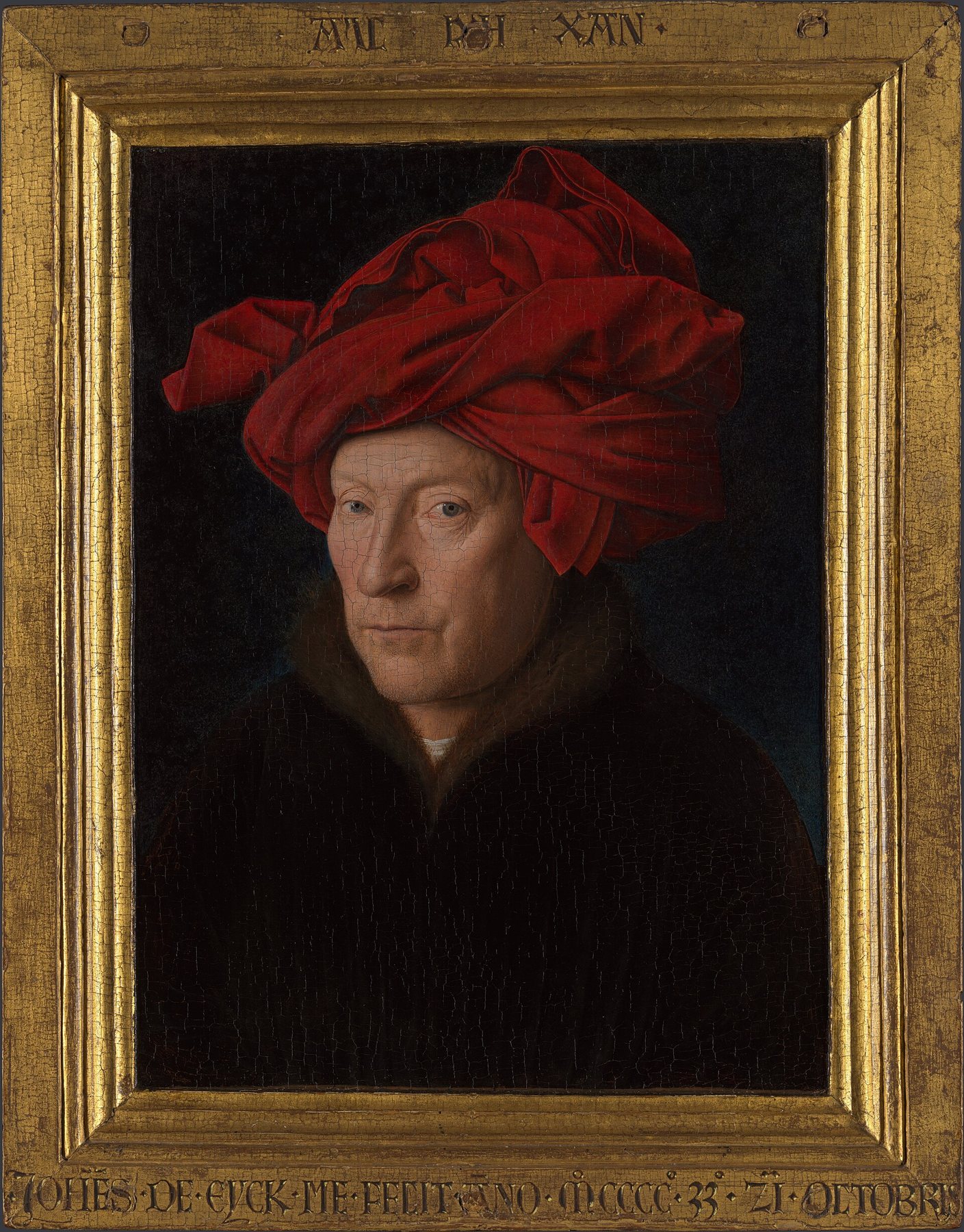
In 1433 Jan van Eyck painted a man in a red headdress, very likely himself. Across the top of the frame he painted his motto, "As I can." The portrait hangs in London now, and that red still glows.

Why his colors glow comes down to a lamp and a sheet of cellophane, and in March you'll paint a landscape with that glow.

A man in a large red headdress looks out from a dark background, inside a frame painted with his motto and the date
Jan van Eyck, Portrait of a Man (Self Portrait?), 1433, National Gallery, London

Light goes in, and comes back out

Van Eyck built his colors in thin, see-through layers, each one over something lighter. Light passes through the color, hits the bright layer underneath, and comes back out to your eye.

Shine a lamp on a white wall and hold a sheet of colored cellophane in front of it. That's a glaze. Opaque paint bounces light off its surface. A glaze lets the light in and sends it back out from inside.

One painter darkened a whole room to show the glow

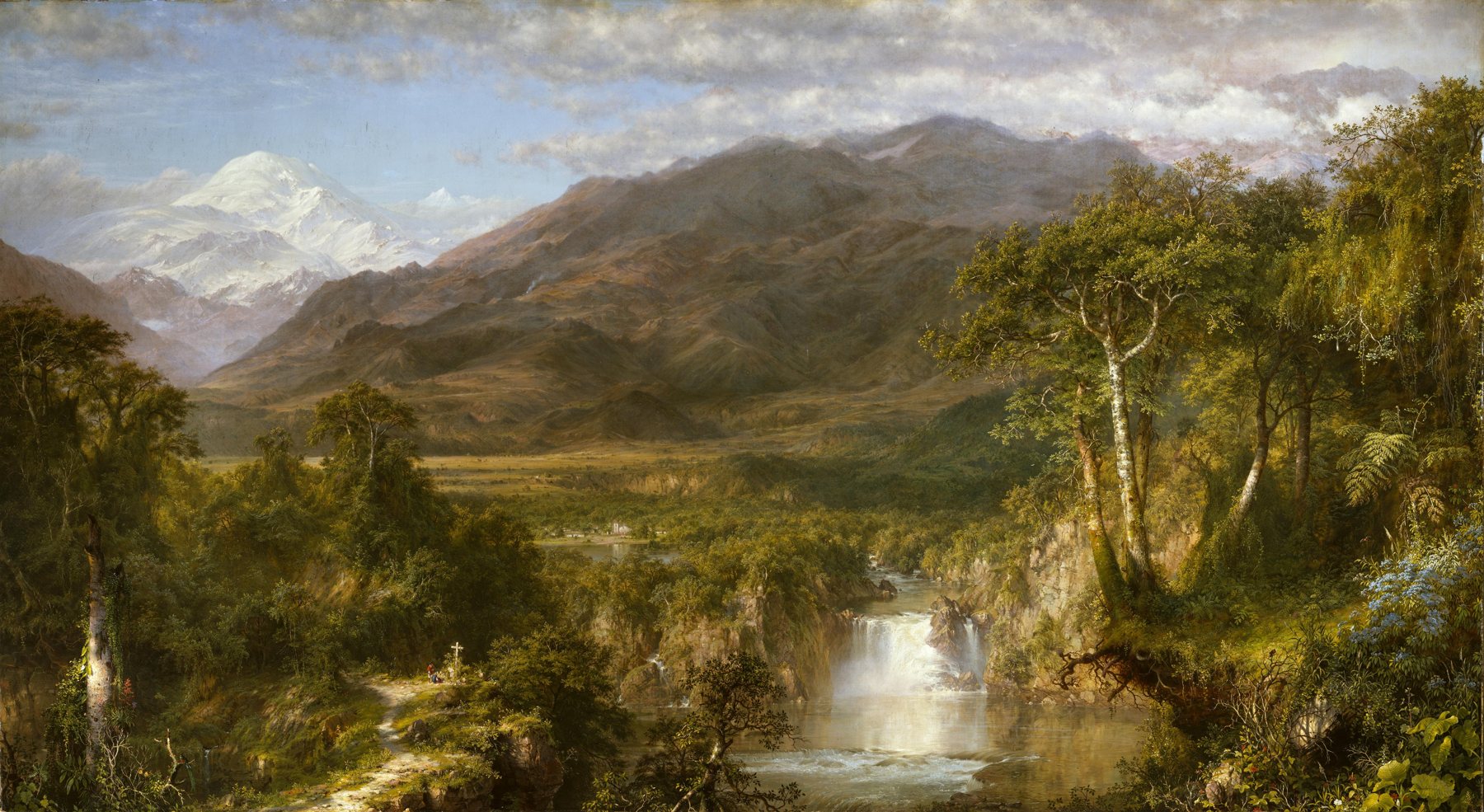
In 1859 Frederic Church hung one landscape, The Heart of the Andes, in a New York studio. He draped the walls in dark cloth and let a skylight fall on the canvas alone, so the painting looked lit from within. More than 12,000 people paid 25 cents to stand in front of it, and opera glasses were handed out so they could find the small things.

It sold for $10,000, the most anyone had paid a living American painter. The cloth and the skylight were theater. What people lined up for was in the paint, and it still hangs in New York, at the Met.

A wide mountain landscape with a river and trees in the foreground and a snow-capped peak far in the distance
Frederic Edwin Church, The Heart of the Andes, 1859, The Metropolitan Museum of Art, New York

Hide the brush, keep the light

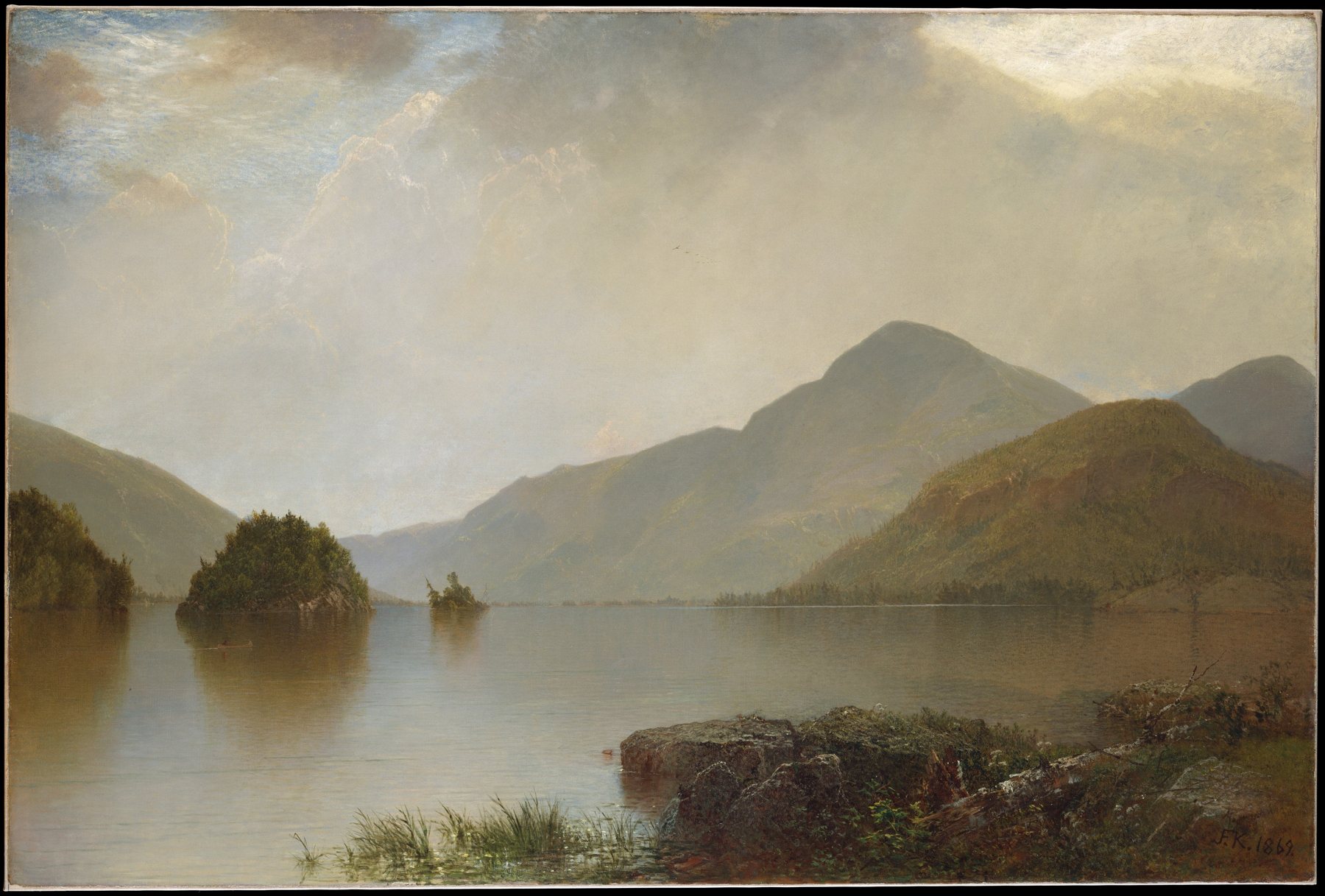
Around the same time, a few American painters made light itself the subject. They painted calm water in wide, level compositions, with the brushstrokes smoothed away so you forget you're looking at paint. Kensett's Lake George, from 1869, is water so still it reads as glass, and it's the one we'd send you to first. Nobody called them a movement until 1954, when an art historian named them the Luminists.

Hiding the brush was their trick. The glow is the one you'll learn in March.

A calm lake under a pale sky with rocky shores and wooded hills
John Frederick Kensett, Lake George, 1869, The Metropolitan Museum of Art, New York

Light your landscape from underneath

This is the method you'll paint with. You lay down a bright acrylic underpainting, which does the job of the lit wall behind the cellophane. Then you build the landscape in oil over it, layer by layer, the way the old paintings were made. If you've glazed before, here's what's new: the bright layer underneath is bold acrylic color, and the light that comes back out through your oil carries it.

Then you put a story in it, one small thing that makes someone look twice: a single lit window, or a road running out of the frame. Over three days you build a narrative landscape in oil, glowing from the acrylic underneath.

See the glaze while it's still wet

A screen is lit from behind, so every painting on it glows the same. The glow you're after is light passing through layers of paint, and a phone flattens it. In the studio you tilt your canvas under the light and watch the acrylic color come through the oil.

You watch each step demonstrated in the room, wet paint and all, before you paint it. On the last afternoon every landscape stands in one room for the critique, so you see one method land differently on every easel.

Paint a narrative landscape that glows

Three days, one narrative landscape in oil over acrylic.

  1. Lay a bright acrylic underpainting that does the glowing
  2. Mix an oil glaze thin enough that the acrylic shows through
  3. Build the landscape in oil, in layers over the acrylic
  4. Put a symbol in the scene so it tells a story

What you'll leave with

  • The whole layering method, so you can repeat it at home
  • A group critique of your painting on day 3
  • The way to build a story into the next landscape you paint
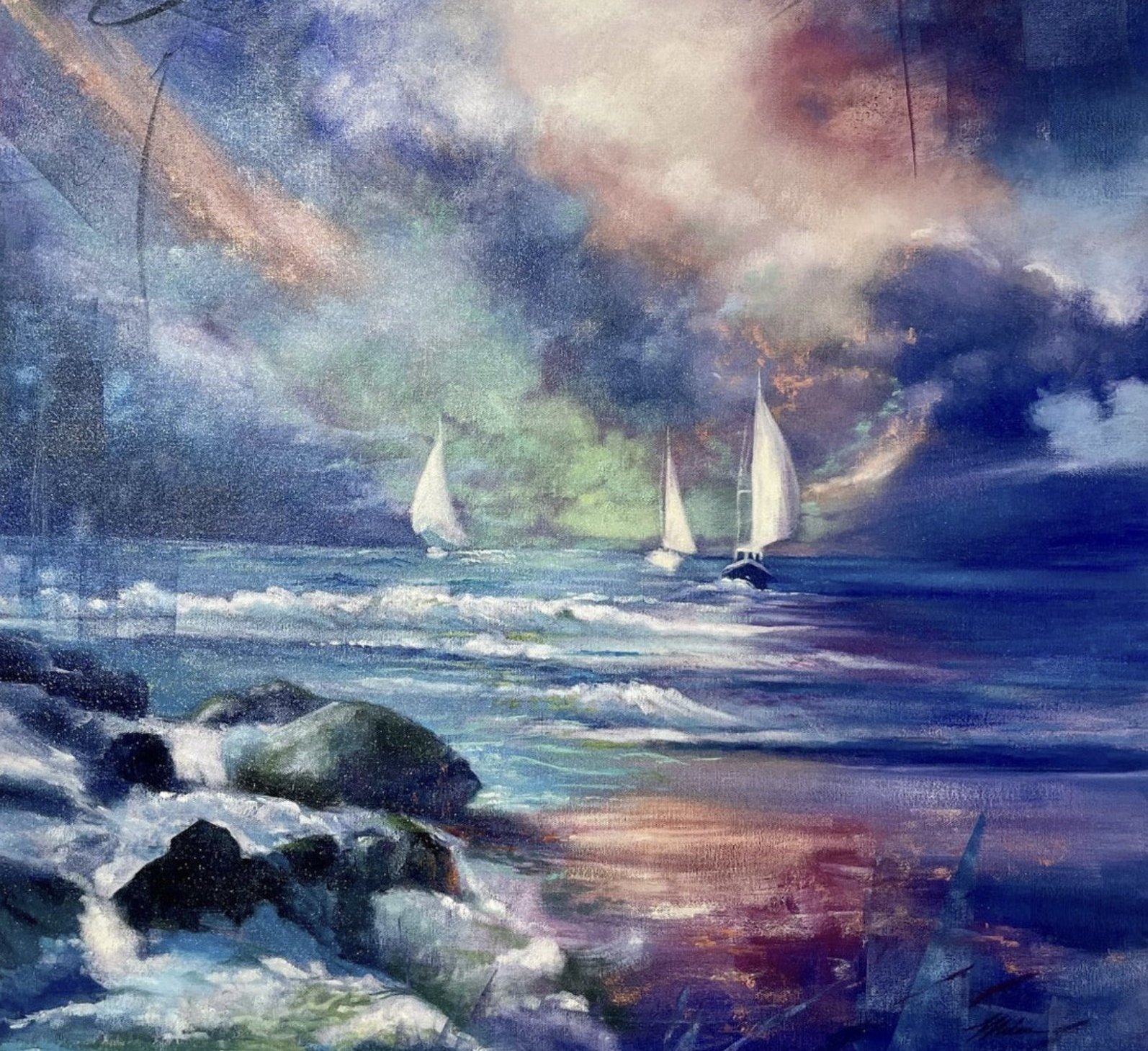
A painting in the style taught at Lit From Within

Build one glowing landscape in three days

Day 1

The story and the first layer

At 10am, how a landscape tells a story, then the first step of the painting, demonstrated. You paint until 4, with an hour for lunch.

Day 2

The second layer

A demo of step two at 10am, then painting until 4, with an hour for lunch.

Day 3

The last layer and the critique

The final step is demonstrated at 10am. You paint until 3, then the group critique runs until 4.

Who teaches it

Elli Milan, co-owner and senior instructor at Milan Art Institute, teaches it with Constantino Milan, who leads the workshops and classes at the Sarasota studio.

Get first pick of the 15 seats

Registration isn't open yet. Join the waitlist and we'll email you the registration link on Tuesday, January 5, two days before it opens to everyone on Thursday, January 7. There are 15 seats. Joining is free, and it doesn't hold a seat or commit you to anything.

Lit From Within Workshop

March 12 to 14, 2027 / 10am to 4pm daily / Milan Art Studio, Sarasota

$1,500

  • Three days at the easel in our Sarasota studio, 10am to 4pm, with an hour for lunch
  • Every step demonstrated before you paint it
  • Teaching from Elli Milan and Constantino Milan
  • A Sunday critique with every landscape side by side
  • Your own narrative landscape, built in layers over three days

Almost six centuries on, the light still gets in and comes back out.

Join the waitlist and registration opens to you on Tuesday, January 5, two days before everyone else. 15 seats, March 12 to 14, in Sarasota.

Join the Waitlist

Questions

Do I need to be at a certain level?

All levels. You'll paint alongside artists at different stages, and each step is demonstrated before you try it.

How does the waitlist work?

Registration opens to the waitlist on Tuesday, January 5, 2027, and to everyone on Thursday, January 7. Join and you'll get the registration email on January 5, a 48-hour head start. It's free, and it doesn't reserve a seat or commit you to anything.

Is there a payment plan?

Yes. You can pay in full or in 3 payments, and the plan is paid off before the workshop.

What will I paint with?

Acrylics for the underpainting, then oils on top, on canvas. We'll send the supplies details after you register.

Where is it?

Milan Art Studio, 8190 Uzita Dr, Unit 100, Sarasota, Florida.

Where should I stay?

We'll send a list of places to stay near the studio when registration opens.

What is your refund and cancellation policy?

All sales for in-person events, including workshops, retreats, intensives, and other experiences, are final. We do not offer refunds or credit for cancellations or no-shows. Funds cannot be transferred to another event.

By registering for any in-person event, you are agreeing to this policy and helping us maintain a smooth and well-prepared event experience for all.